
Diagnostics in Rabbits- Why are They Important?
By: Racheal Mallory, LVT
It’s no secret that in today’s economy everything is expensive- and unfortunately veterinary medicine is no exception. In addition, as veterinary medicine develops and the expectation that our pets receive similar quality care as their human counterparts, the cost of medical care for pets has risen. Veterinary clinics now have digital x-ray machines, ultrasound machines, CT machines, in-clinic blood work machines, and more. The cost to operate those is equally expensive.
So why is there such a push from the veterinary field to do diagnostics now? What changed between 2000 and 2025? Evidence-based medicine. Evidence-based medicine is the practice of performing diagnostics to determine the most likely reason a pet is not feeling well and then from there, determine the appropriate treatments. Gone are the days when veterinarians guess a condition based only on a physical exam and hope that the treatment works.
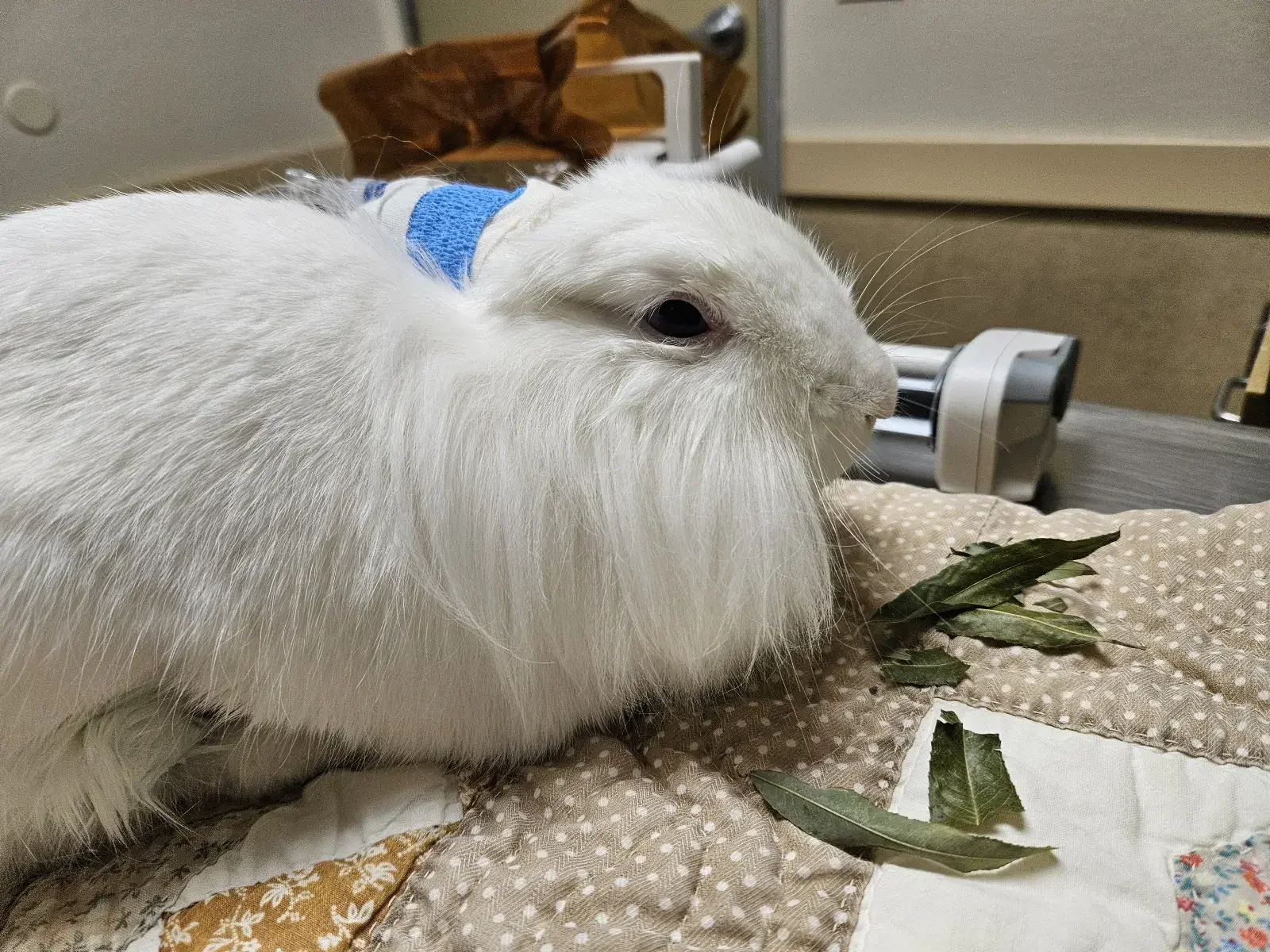
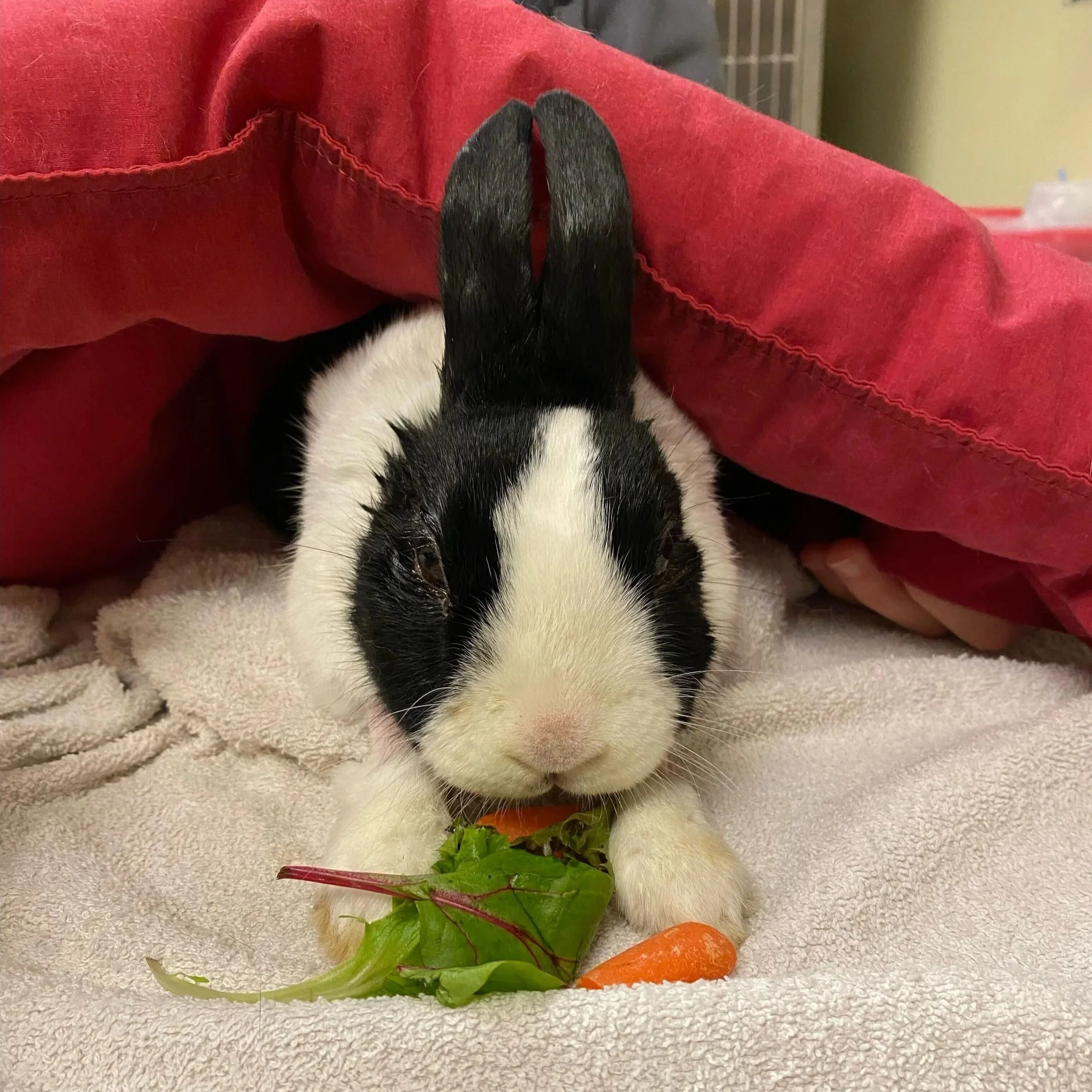
Little Floofius was in critical condition one night. His temp was very low and he was exhibiting heavy breathing- signs showing Floofius was in shock. Thanks to x-rays, the team knew his intestine was blocked with fluid and fur and they were able to flush Floofius’ intestines clear.
In this situation, the x-rays were the diagnostic test that helped the team figure out the cause of Floofius’ illness- valuable information that helped determine the treatment methods.
Thanks to emergency care offered by Pet Emergency & Specialty Center, Floofius recovered, returned home and is still living his best bunny life! Thank you to the ER team and Dr. Vuong!
What does this mean for pet owners? This means your rabbit-savvy veterinarian will want to do diagnostics when you bring your rabbit to the vet. Veterinary medicine, in essence, is detective work. Our pets unfortunately cannot tell us what hurts, what happened to cause the problem, or what makes them feel better. Rabbits especially, are prey animals and very stoic in nature. They do not want anyone to see them in a compromised position, so while we as owners can tell they do not feel well, there is not much else you, I, nor the veterinarian can determine without obtaining more pieces to the puzzle- that is where diagnostics come in.

The two most common diagnostics your rabbit-savvy vet will most likely want to do are bloodwork and radiographs.
Bloodwork shows numerous aspects of what is going on within the body of the rabbit that a physical exam cannot show. Bloodwork has two parts: the chemistry that looks at kidney, liver, electrolyte, and glucose values. These determine the functioning of certain organs, assess for diabetes, and more. The second part is called the CBC, complete blood count, which looks at all the blood cells in the rabbit’s body. The CBC will count the red and white blood cells, look for different types of anemias, and look for systemic infections. Your veterinarian gains so much knowledge from bloodwork. When your rabbit isn't feeling well, it can be the difference between diagnosing and treating a liver lobe torsion (twisting of a liver lobe) or a very aggressive infection.
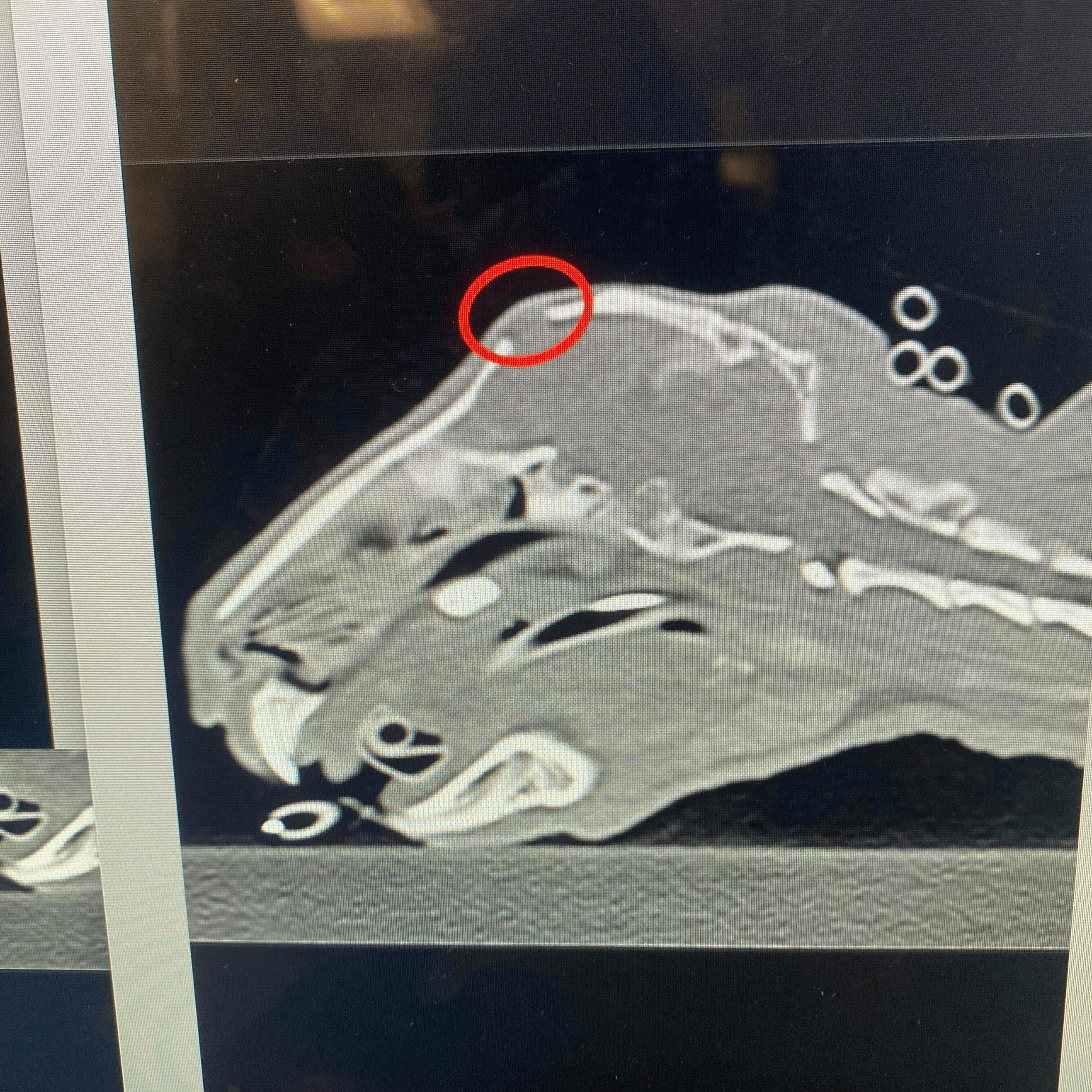
Radiographs look at an entirely different aspect of your rabbit’s body. Radiographs can be used to look for arthritis, bladder stones, assess the severity of GI stasis, look for masses, and more. Essentially, they show the veterinarian a visual of the inside of the rabbit body. From there, your veterinarian may see the need for more advanced diagnostics, such as a CT scan, which are used to diagnose more complex medical problems.
With this knowledge now in your arsenal, it should not come as a surprise that your rabbit-savvy veterinarian wants to do diagnostics. Yes, they are expensive, but it can be the difference between life and death for our furry friends. As responsible pet owners, we owe it to our rabbits to give both us and the vets vital information needed to make informed decisions- and give our pets the best shot at a full recovery. With diagnostics and an informed treatment plan, we can continue to love our companions for years to come.